
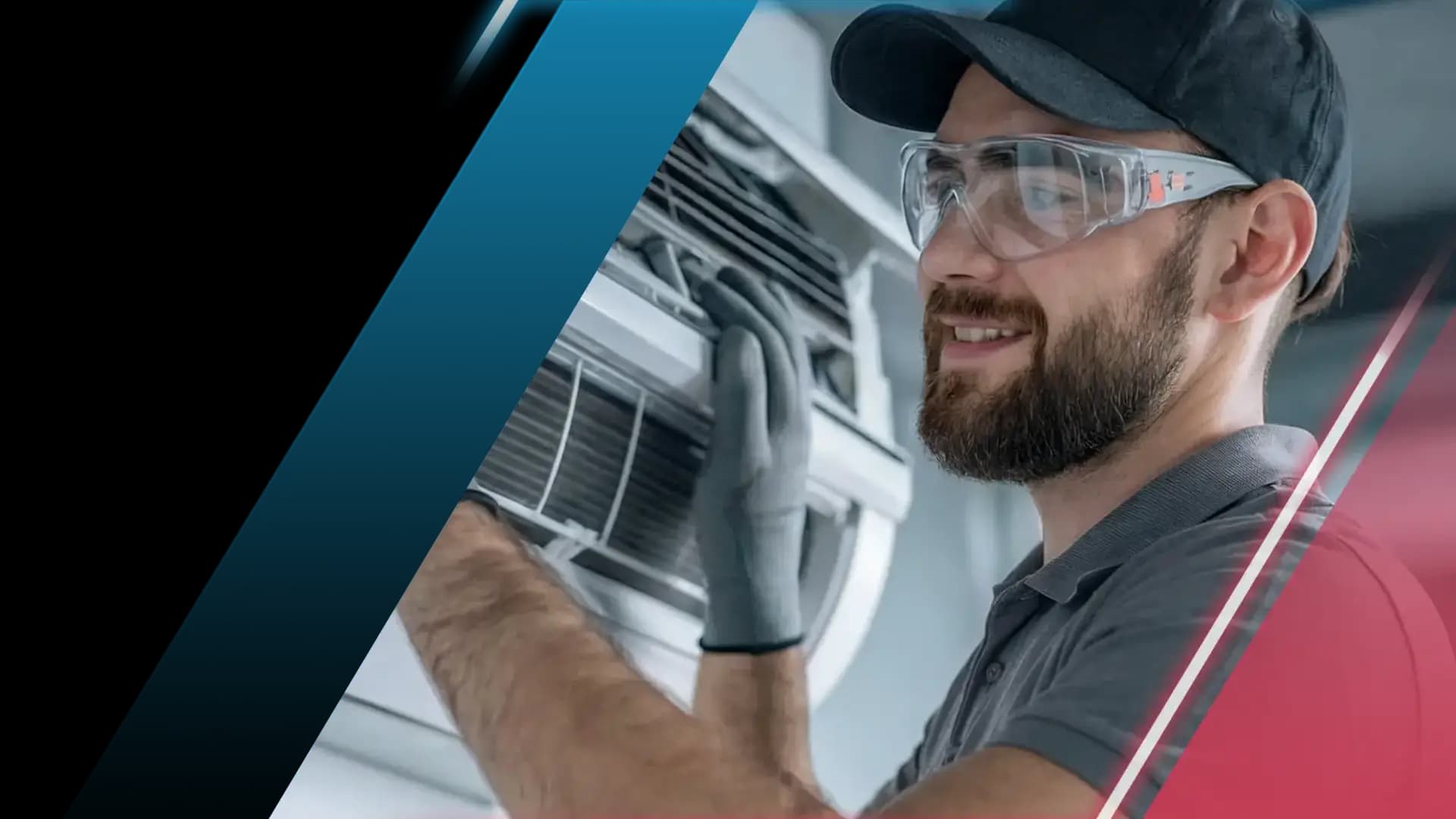
How Air Conditioning Works in 2026
Air conditioning systems use refrigerant to absorb heat from indoor air and move it outside. Hot air passes over a cold evaporator coil, gets cooled, and circulates back through your home. The heat gets dumped outside through a condenser coil.
In 2026, all new residential AC systems use R-410A or newer refrigerants like R-454B. The old R-22 refrigerant was fully phased out years ago. If your system still runs on R-22, replacement is the only practical option since the refrigerant is no longer manufactured or imported.
AC systems come in several types. Central air conditioning is the most common in Los Angeles homes. Ductless mini-splits work well for additions or homes without ductwork. Window units and portable units serve single rooms. Modern systems meet higher SEER2 efficiency standards, which means lower electricity costs compared to older equipment.
How Evaporative Cooling Works
Evaporative cooling, sometimes called swamp cooling, uses water instead of refrigerant. The system draws hot outdoor air through a wet pad or filter. As water evaporates from the pad, it absorbs heat from the air. The cooled air then flows into your home.
This process is simple and uses far less electricity than traditional air conditioning. An evaporative cooler typically runs on a small fan motor and a water pump. That is it.
Evaporative coolers come as portable units for single rooms or whole-house systems mounted on the roof or a wall. They work best with windows or vents partially open because the system needs a path for the moist air to exit. This constant airflow brings in fresh outdoor air, which some homeowners prefer over recirculated air from a traditional AC system.
Pros and Cons for Los Angeles Homeowners
Los Angeles has a mostly hot and dry climate, which is important when comparing these two systems.
Air conditioning cools your home quickly regardless of outdoor humidity. It also dehumidifies indoor air, reducing mold risk. Many systems provide heating during the mild Southern California winter as well. The downsides are higher electricity costs, higher installation costs, and a larger environmental footprint.
Evaporative cooling uses roughly 75 percent less electricity than traditional AC. Installation and maintenance costs are lower. The system adds no chemical refrigerants to the equation. However, evaporative coolers add moisture to indoor air. During the occasional humid spells that hit LA, especially late summer monsoonal moisture, performance drops noticeably. Wet pads also need regular cleaning or replacement to prevent mineral buildup and bacteria growth.
For most of the year, the dry San Fernando Valley or Ventura County climate suits evaporative cooling well. Coastal areas in Orange County or the Westside tend to carry more humidity, making traditional AC a stronger choice.
Key Factors to Help You Decide
Start with your local microclimate. Inland Los Angeles neighborhoods, the San Fernando Valley, and most of Ventura County are dry enough for evaporative cooling to work effectively most days. If you live closer to the coast, humidity levels rise and reduce evaporative cooling performance.
Consider your budget. Evaporative coolers cost less to buy, install, and operate. If upfront spending is a concern, they deserve a close look. Air conditioning costs more initially but delivers consistent comfort in any weather.
Think about home size. Central air conditioning handles large homes with existing ductwork efficiently. Evaporative coolers can serve a whole house, but airflow management through open windows and vents takes more effort in bigger floor plans.
Energy use matters too. Southern California electricity rates continue to climb. An evaporative cooler draws a fraction of the power an AC system needs. If reducing your electric bill and carbon footprint is a priority, evaporative cooling offers a clear advantage on dry days.
Can You Use Both Systems Together?
Some Los Angeles homeowners install both systems and switch between them based on conditions. On dry days with low humidity, the evaporative cooler runs at a fraction of the cost. When humidity spikes or temperatures push past 105 degrees, the air conditioner takes over.
This hybrid approach requires separate ductwork or delivery methods for each system. You should never run both at the same time because the moisture from evaporative cooling forces your AC to work much harder.
A qualified HVAC technician can assess your home layout and recommend whether a dual setup makes sense. In many cases, a high-efficiency air conditioner alone provides the best balance of comfort and operating cost for Southern California homes.
Season Control Can Help You Choose
Season Control Heating and Air Conditioning serves homeowners across Greater Los Angeles, the San Fernando Valley, Ventura County, and Orange County. Our technicians install, repair, and maintain both air conditioning and evaporative cooling systems.
We start with an in-home assessment. We look at your home size, insulation, existing ductwork, and your neighborhood climate conditions. Then we walk you through options that fit your comfort goals and budget.
Whether you need a new central AC system, a ductless mini-split, or a whole-house evaporative cooler, we handle the full process from recommendation through installation and ongoing maintenance. Call Season Control at (818) 275-8487 to schedule a consultation and find the right cooling solution for your home.
Frequently asked questions
Does evaporative cooling work well in Los Angeles?
It works well in dry inland areas like the San Fernando Valley and most of Ventura County. Performance drops during humid periods, especially late summer monsoonal moisture. Coastal neighborhoods with higher humidity may not get consistent results from evaporative cooling.
Is evaporative cooling cheaper to run than air conditioning?
Yes. Evaporative coolers use roughly 75 percent less electricity than traditional AC systems. With Southern California electricity rates continuing to rise, the operating cost difference is significant over a full cooling season.
Can I run an evaporative cooler and air conditioner at the same time?
No. Running both simultaneously forces your AC to remove the extra moisture the evaporative cooler adds. This wastes energy and strains your air conditioning system. Use one or the other based on current weather conditions.
What refrigerant do new air conditioners use in 2026?
New residential systems use R-410A or next-generation refrigerants like R-454B. R-22 has been completely phased out and is no longer manufactured or imported. If your system still uses R-22, replacement is the most practical path forward.
How often do evaporative cooler pads need to be replaced?
Most manufacturers recommend replacing pads at least once per cooling season. In areas with hard water, mineral buildup may require more frequent changes. Regular cleaning between replacements helps maintain airflow and cooling performance.
Need help with your HVAC system?
Season Control serves Greater Los Angeles, San Fernando Valley, Ventura County, and Orange County.
Schedule service