
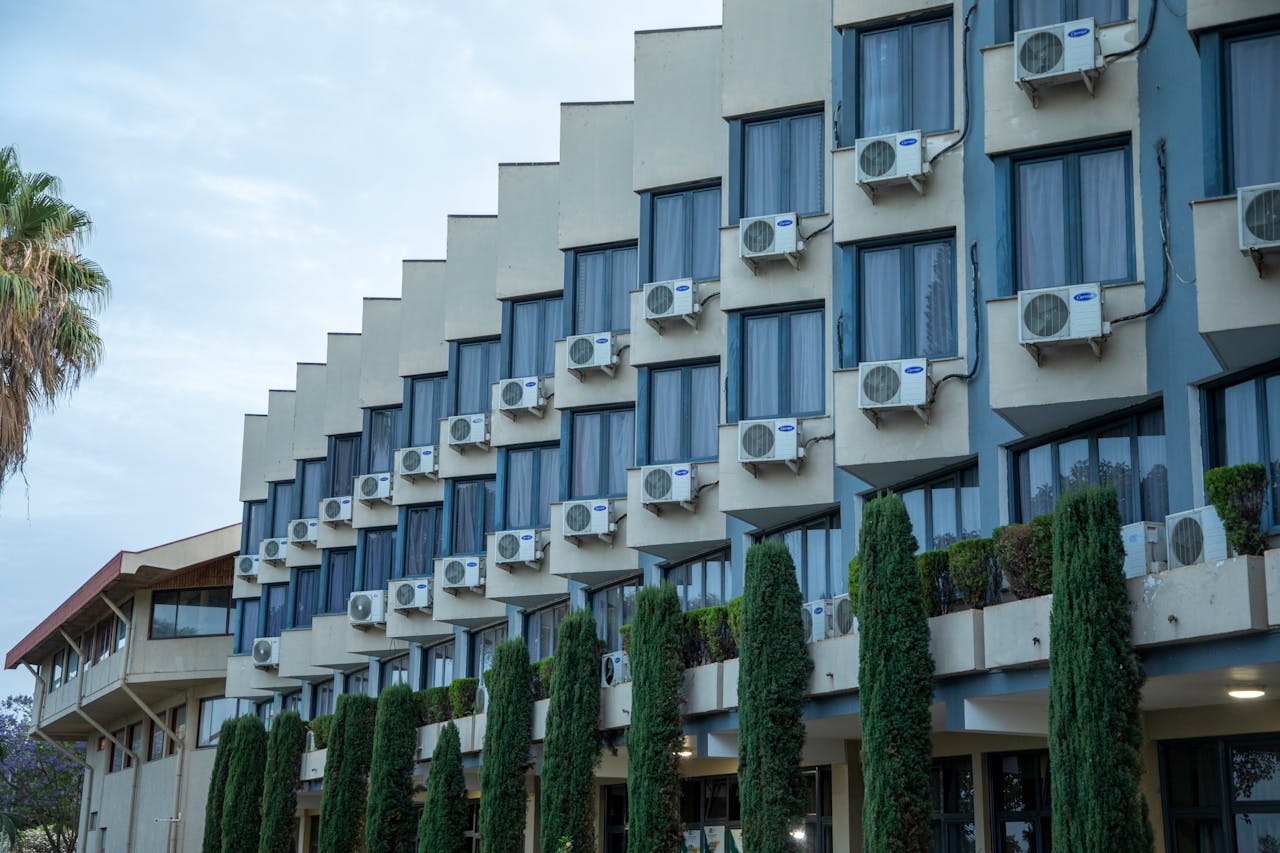
Choosing the Right AC Unit for a Los Angeles House
- April 5, 2026
Choosing the right AC unit for a house in Los Angeles matters a lot more than many people think. Our long, hot seasons and strong sun can turn a comfortable home into a stuffy box very fast. A good system will keep you cool, help clean your air, and keep energy use under control. A poor choice will leave you sweating, even when the AC is running nonstop.
In this article, we will walk through how to match an AC system to an LA home. We will talk about our local climate, the different types of systems, how efficiency works, and when it makes sense to repair or replace before the first big heatwave. By the end, you will have a clear picture of what to look for in an AC unit for a house in our area.
Keep Your Cool in LA with the Right AC Choice
Spring in Los Angeles can flip fast. One week feels mild, then an early heatwave hits in April and the whole house warms up by mid-morning. Without the right AC system, rooms near big windows can feel like an oven, and bedrooms can stay hot late into the evening.
Choosing an AC unit for a house in LA is different than choosing one in a cooler, cloudier place. We deal with:
- Intense sun on roofs and walls
- A long cooling season that stretches deep into fall
- Coastal humidity in some neighborhoods
- Extra heat from concrete, asphalt, and traffic
That mix puts real pressure on your AC. So it is smart to think ahead, plan before summer, and choose a system that fits your home and your daily life.
How LA’s Climate Shapes Your AC Needs
Los Angeles has long, dry summers and mild winters, but the surprise is often spring. Heat spikes can hit between April and June, long before many people feel ready. If your system struggles early, it usually gets worse as the season goes on.
Local conditions also play a big role:
- Smog and urban pollution
- Dust from traffic and construction
- Pollen almost year-round
- Wildfire smoke that can drift across the city
- Coastal air and salt near the beach
All of this ends up in your filters and coils. It affects how well your AC cools and how clean your indoor air feels. Good filtration and the right system design are just as important as cooling power.
The design of your home matters too. When we look at AC for LA homes, we pay attention to:
- Sun exposure on west- and south-facing rooms
- Insulation in walls and attics
- Age and style of the home
- Whether you are in the Valley, near the coast, or in the hills
Homes in the Valley often need stronger cooling because they tend to run hotter. Coastal homes may not need quite as much capacity, but they benefit from systems that can handle humidity and salt in the air.
Deciding What Type of AC Unit Fits Your House
There is no one perfect AC type for every LA home. The right choice comes from the way your home is built and how you use it.
Here are the main options:
- Central air: Cools the whole house through ducts, usually paired with a furnace or air handler. Great for even comfort in multi-room homes, especially multi-story houses, if the ducts are in good shape.
- Ductless mini-splits: Wall-mounted units with small outdoor condensers. Good for older homes without ducts, small bungalows, and additions or converted garages. They allow zoned cooling for just the rooms you use.
- Heat pumps: Look like central AC or mini-splits but can cool and heat using electricity. A good match if you want one system to handle comfort all year and reduce dependence on gas heat.
- High-efficiency window or wall units: Better suited for single rooms or small spaces, like a studio or a home office that needs its own cooling.
Typical LA setups might include:
- Older homes in central LA with no ducts, where ductless mini-splits avoid major remodeling
- Multi-story homes in the Valley, where central air with zoning helps upstairs bedrooms stay comfortable
- Converted garages or backyard offices that need their own separate unit
Lifestyle matters too. If one person works from home while others are out, zoned systems can cool just the office and main living areas. If you are sensitive to noise, you may want quieter indoor units and careful outdoor placement. Many modern systems also pair well with smart thermostats, so you can control temperatures from your phone and set schedules around your daily routine.
Energy Efficiency, Rebates, and Long-Term Savings
In LA, where AC runs for much of the year, efficiency is a big deal. That is where SEER2 and ENERGY STAR ratings come in. In simple terms, SEER2 is a measure of how much cooling you get for the energy the system uses. Higher SEER2 means the unit uses less energy to do the same job.
ENERGY STAR is a label for systems that meet higher efficiency standards. While high-efficiency units may cost more up front, they can help lower energy use during long hot spells and reduce the strain on your electrical system.
There are often incentives, rebates, or tax credits for efficient central AC and heat pump systems in California. These programs can change from time to time, so it is helpful to ask a professional about what is currently available.
Good equipment alone is not enough. To actually get the savings, you also need:
- A professional load calculation so the system is sized correctly
- Duct testing and sealing if you have central air
- Careful installation that follows manufacturer guidelines
When all of those pieces line up, your AC has a much better chance of delivering the comfort and efficiency promised on the label.
Sizing, Installation Quality, and Indoor Air Comfort
Sizing is one of the most important parts of choosing an AC unit for a house in LA. A system that is too big cools the air quickly, then shuts off and turns back on over and over. This short cycling can:
- Make humidity control worse
- Create temperature swings
- Put extra wear on parts
A system that is too small runs almost nonstop and still leaves some rooms warm. Both problems cost energy and comfort.
Placement also matters. Outdoor condensers need room to breathe. They should have:
- Shade where possible
- Clear airflow around the unit
- Enough distance from bedrooms and neighbors to keep noise down
Indoor units and ducts should be placed so key rooms get enough airflow. Balancing the system helps avoid common complaints like “the downstairs is freezing but the upstairs never cools.”
Air quality is another big piece of comfort in Los Angeles. Filtration and optional air purification can help with:
- Pollen
- Dust
- Pet dander
- Smoke and fine particles from wildfires or traffic
There are also ventilation options that bring in fresh outdoor air in a controlled way, rather than just cracking a window and letting in heat and pollution. A professional can look at your home, your allergies or sensitivities, and your neighborhood, then suggest a mix of filters, air cleaners, and ventilation that fits your needs.
When to Repair and When to Replace Before Summer Hits
Many homeowners ask if they should repair their existing AC or replace it before the hot season ramps up. While every system is different, there are some common signs that replacement might be smarter than another repair:
- The system is older and has needed several fixes in recent years
- Energy bills keep creeping upward even though your usage is the same
- Some rooms never seem to cool down
- The unit still uses older refrigerant that is being phased out.
A quick fix might get you through a short spell, but a planned replacement in spring has some real benefits. You can:
- Take your time choosing the right type and size of system
- Avoid emergency breakdowns during the first major heatwave
- Pick installation dates that work with your schedule
A professional AC inspection in early spring is a smart starting point. A technician can check your current system, talk with you about comfort issues, and explain options for repair or upgrade, so you are ready before the hottest days arrive.
Get Started With Your Project Today
If your current cooling system is struggling to keep up, we can help you choose the right AC unit for a house that fits your space, budget, and comfort needs. At Season Control Heating and Air Conditioning, we evaluate your home’s layout and usage so your new system delivers reliable, efficient performance. Our team will walk you through your options, provide clear pricing, and schedule installation at a time that works for you. Reach out through our contact us page to get a personalized recommendation and quote.