
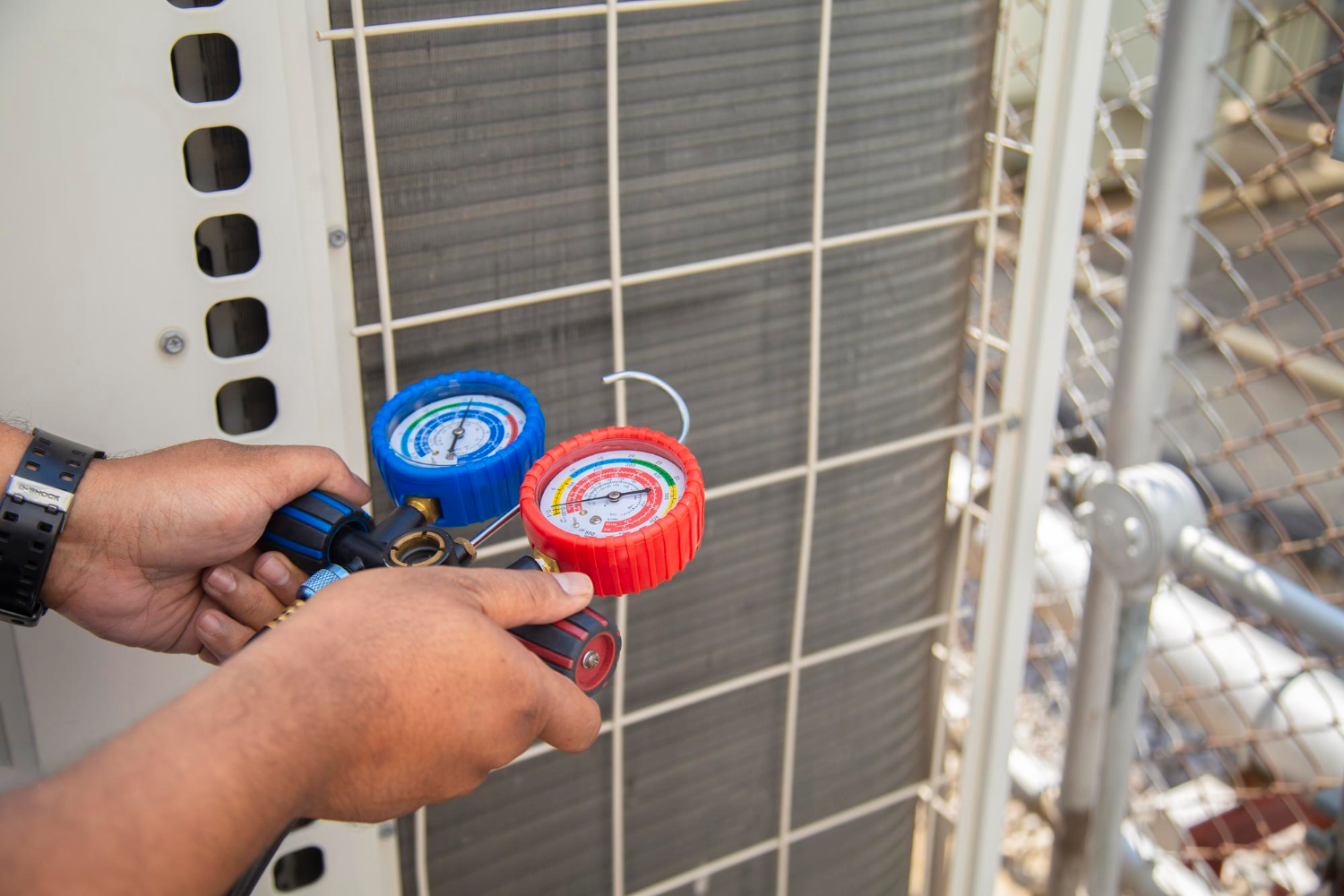
Why AC Refrigerant Leaks Spike in Early Summer (and How to Prevent Them)
- May 10, 2026
Stop Summer AC Emergencies Before They Start
Refrigerant leaks love to show up right when you start needing cool air the most. Early summer is often when small AC problems finally get noticed, because your system goes from light use to long, daily run times. That extra workload puts pressure on weak spots, and a tiny leak that was hiding in spring can suddenly turn into a no-cooling emergency.
Leaks are not just annoying. Low refrigerant can mean rooms that never quite cool down, longer run times, and higher energy bills. If the problem is ignored, it can also shorten the life of your AC by putting more stress on the compressor and other parts. Catching refrigerant issues early is one of the best ways to protect both your comfort and your system.
At Season Control Heating and Air Conditioning, we work on residential and light commercial systems across the Los Angeles area. We see this early summer “leak season” every year, and we know how to find and fix AC gas leak repair issues quickly and safely so you are ready for peak heat.
Why AC Refrigerant Leaks Spike in Early Summer
During our mild spring months, many AC systems get long breaks. The system might only run here and there, or sit almost still for days. That sounds gentle, but long off periods can let seals dry out and small problem spots get worse without anyone noticing.
Once the first serious warm spell hits, your AC suddenly runs much longer. That is when hidden leaks tend to show up. A few things happen at the same time:
- Seals and o-rings that dried or hardened in spring start to crack under pressure
- Vibration at joints and fittings increases as run times get longer
- Any weak spot that held during short cycles can open up under heavier load
Los Angeles heat and sun add to this stress. Outdoor units get baked by direct sunlight. If the outdoor coil is dirty or blocked, the system has to work harder to release heat. That can push pressures higher inside the refrigerant lines and make tiny flaws turn into active leaks.
One of the biggest myths about AC systems is that refrigerant just “runs out” over time like gas in a car. That is not how it works. Refrigerant moves in a closed loop. If levels are low, there is almost always a leak somewhere in that loop. Simply adding refrigerant without finding and fixing the leak is like filling a bucket with a hole in it. It might feel better for a short time, but the problem will come back.
The Most Common AC Leak Points Technicians Find
When we are called for AC gas leak repair, we start by checking the spots that fail most often. While leaks can technically happen anywhere, there are a few usual suspects.
Schrader Valves
These are the tiny service ports your technician connects to when checking pressures or adding refrigerant. They look a bit like the valve stem on a bike tire. Over time, the internal core can wear out or get a bit of debris stuck in it.
Why they leak so often:
- The rubber inside can dry out during long off periods
- Caps may be missing or loose, so dirt and moisture get in
- The core can be damaged by rough tools or frequent use
Schrader valve leaks are often slow and hard to spot without proper testing, but they can still drain enough refrigerant to hurt cooling.
Flare Joints and Line Connections
These are the spots where copper lines connect to the outdoor and indoor units. They may be flare fittings, brazed joints, or other kinds of connections. With time, joints can loosen or develop hairline cracks.
Common reasons these joints start leaking:
- Constant vibration from the compressor and fans
- Poor original installation that left fittings slightly stressed
- Thermal expansion as metal heats and cools again and again
We see more issues on older systems and on systems that have been changed or extended by different people over the years.
Evaporator Coils
The evaporator coil sits inside, usually in a closet, attic, or garage. This is where refrigerant absorbs heat from your indoor air. Because it has thin metal and carries refrigerant, it is a major leak point when it starts to age.
Evaporator coils can leak due to:
- Corrosion on the copper or aluminum tubing
- Tiny pinhole leaks, sometimes called formicary leaks
- General wear from years of moisture and temperature changes
Coil leaks can be tricky, because the damage may be spread across a section of the coil instead of one simple crack. In many cases, more involved repair options or coil replacement need to be discussed with a professional.
How Pros Confirm Leaks Before Peak Season Hits
Good AC gas leak repair is not guesswork. Before fixing anything, we need to confirm there is a leak and find where it is. There are three main tools we rely on.
Nitrogen Pressure Testing
First, we safely recover any remaining refrigerant from the system. Then we pressurize the lines with dry nitrogen gas. Nitrogen is safe for the equipment and lets us test at higher pressure without running the system.
Here is how it helps:
- We fill the system to a set pressure and watch to see if it drops
- If the pressure falls, we know there is a leak somewhere
- We use a soap or bubble solution on joints and valves and look for bubbles forming
This method is very reliable for finding leaks at accessible fittings and connections.
UV Dye Methods
With this method, a special dye is added into the refrigerant circuit. The system runs for a while so the dye can travel with the refrigerant to all parts of the loop. Later, we inspect the system with a UV light.
What we look for:
- Bright glowing spots at valves or service ports
- Streaks around flare joints or line connections
- Glow along sections of the evaporator or condenser coil
UV dye can be especially helpful when leaks are small or hidden in tight spots.
Electronic Leak Detectors
Electronic detectors, sometimes called sniffers, are handheld tools that sense tiny amounts of refrigerant in the air. We slowly move the tip around fittings, coils, and lines.
They are most useful when:
- We suspect a small leak that bubbles or dye have not clearly shown
- The leak is in a hard-to-see area
- We want a second way to confirm a repair was successful
By using these methods together, we can target the true source of the problem, instead of guessing or replacing parts that are still good.
Smart Homeowner Steps to Reduce Leak Risk Now
You cannot stop every possible leak on your own, but you can lower the odds of a surprise breakdown right when you need cooling most.
Schedule Pre-Summer AC Maintenance
A spring tune-up by a professional technician is one of the best defenses against leak trouble. During a maintenance visit, the tech can:
- Check refrigerant pressures and look for early warning signs
- Inspect valves, joints, and visible coil surfaces
- Clean indoor and outdoor coils so the system runs at normal pressure
- Tighten electrical connections and check for unusual vibration
Simple Checks Between Visits
Between professional visits, a few quick habits help your system run more smoothly:
- Keep at least a couple of feet of open space around the outdoor unit
- Remove leaves, trash, or anything that blocks airflow
- Change or clean air filters regularly so airflow stays strong
- Pay attention to new rattles or buzzing sounds that might point to vibration issues
Know When to Call for AC Gas Leak Repair
If you notice any of these signs, it is time to have a professional check your system for leaks:
- AC runs a long time but rooms still feel warm or sticky
- Air from the vents feels weaker or not as cool as before
- Ice forms on the refrigerant lines or on the indoor unit
- Energy bills climb even though your settings have not changed
Early action matters in a busy market like Los Angeles. Schedules fill up fast once heat waves start, and waiting can turn a small leak into serious damage to your compressor or other major parts. Taking these steps now helps your AC stay ready for the long, sunny days ahead.
Restore Safe, Reliable Cooling In Your Home Today
If you suspect a refrigerant issue or notice your system is not cooling properly, we can help you diagnose and fix the problem quickly with expert AC gas leak repair. At Season Control Heating and Air Conditioning, we carefully inspect your system, locate the leak, and restore efficient, safe operation. Reach out to our team with your questions or schedule service anytime through our contact us page. We are ready to get your AC back to dependable performance so you can stay comfortable and worry-free.