
What Happens During Emergency AC Repair in Los Angeles Homes
- March 15, 2026
A working AC is not just about comfort in Los Angeles; it can affect your health, sleep, and daily life. When your system quits during a heat spike, you need to know what to do, what will happen during emergency AC service, and how to prevent the same thing from happening again.
This guide walks through what happens from the moment your AC fails to the time a technician restores cool air in your home. We will talk about quick safety steps, how an emergency visit works, what repairs are common, and what to do after the crisis passes.
When Every Minute Counts in a Los Angeles Heatwave
A hot afternoon hits, the sun is blasting the windows, and suddenly the AC stops. Upstairs feels like a sauna, the living room is stuffy, and everyone is getting cranky fast. In a city full of concrete and traffic, indoor temperatures can climb in a short time.
Emergency AC help matters in Los Angeles because:
- Heat can build quickly in upper floors and sun-facing rooms
- Homes are close together, which traps heat and reduces airflow
- Kids, seniors, and pets can struggle more with high temperatures
During a heat spike, you want to know that help is on the way and that there is a clear plan. We are going to walk through that plan so you feel prepared instead of panicked.
First Steps When Your AC Fails Without Warning
Before calling for emergency AC help, it is smart to do a fast check to keep everyone safe and as comfortable as possible. If it is cooler outside and safe to do so, you can open a few windows to let in air. Fans can help move air through hallways and bedrooms, and closing blinds on sunny sides of the home helps slow the heat.
A few quick comfort and safety tips:
- Keep an eye on kids, seniors, and pets for signs of overheating
- Use ceiling and portable fans to move air, not just blow hot air in one spot
- Avoid cooking with the oven if the house already feels very hot
You can also do some simple checks on your AC system. Make sure the thermostat is on cool and set lower than the current room temperature. Check that your system has power and that no breakers are tripped. If you can safely reach the air filter, see if it is completely clogged, and confirm that vents are open.
It is time to call for emergency AC service when:
- Indoor temperatures feel extreme and keep rising
- You notice burning smells, smoke, or loud grinding noises
- The system is short-cycling, turning on and off every few minutes
- No air is coming out of the vents at all
Waiting until the next day can mean more damage to the system and a long, uncomfortable night. If something seems unsafe, it is always better to act quickly.
What Happens From the Moment You Call for Help
When you call for emergency AC help, the first step is a quick but focused conversation with dispatch. You will be asked what the AC is doing, how long it has been a problem, and whether there are any strange sounds or smells. You might also be asked about the age of your system, parking at your home, pets, and any gate or access details.
This information helps the technician arrive ready with:
- The right tools and likely parts
- An idea of where to start the inspection
- A sense of any safety or electrical concerns
Emergency calls are usually given priority when there are extreme indoor temperatures or vulnerable family members, such as infants or people with medical needs. If there are signs of electrical issues or strong burning odors, that also raises the level of urgency.
You will get an estimated arrival time and, in many cases, updates if something changes. While you wait, it helps to:
- Unlock gates and doors the technician will need to use
- Clear space around the indoor unit, thermostat, and vents
- Secure pets in a safe room so they stay calm and do not slip outside
Inside the Technician’s Emergency AC Diagnostic Visit
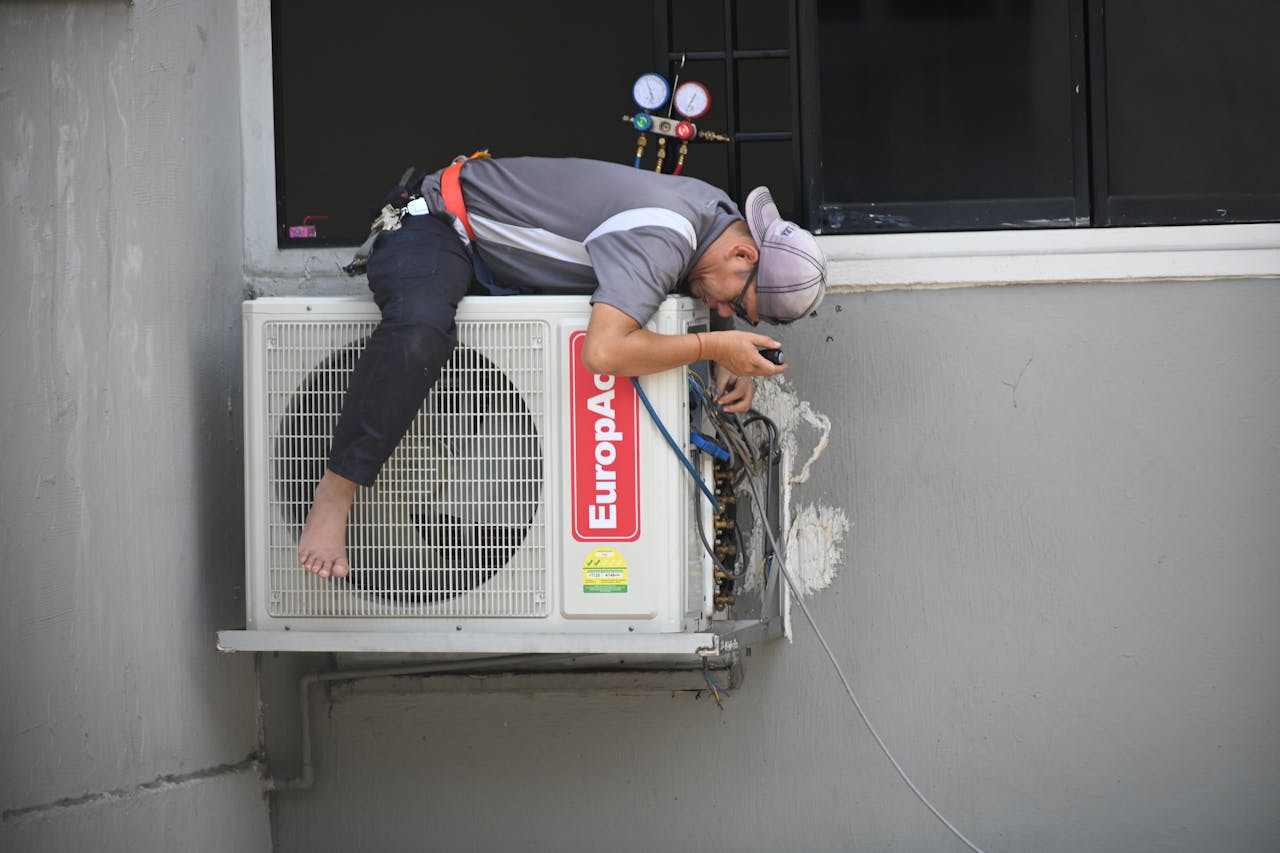
When the technician arrives, the first step is a basic safety check. This can include looking at the electrical panel, inspecting visible wiring, listening for buzzing or crackling sounds, and checking for signs of refrigerant leaks or ice on the lines. Outside, the condenser may be checked for leaves, dust, or urban debris blocking airflow.
Then the more detailed diagnostic steps begin. The technician may:
- Test thermostat communication to be sure it is sending the right signals
- Measure refrigerant pressures and temperatures
- Check capacitors and contactors that help the system start and run
- Inspect evaporator coils for dirt, ice, or damage
- Confirm that filters, ducts, and vents are allowing proper airflow
Good communication is a big part of the visit. A helpful technician will describe the problem in simple terms, not just technical language. You should hear what caused the issue, what your options are, and which repairs are needed right away. If there are items that can safely wait, that should be explained too.
Fast Repairs vs. Temporary Fixes During Emergencies
Many emergency AC problems in Los Angeles homes come from worn parts or buildup inside the system. Common issues include failed capacitors that keep the compressor or fan from starting, clogged condensate drains that cause water leaks, dirty coils that force the system to work harder, worn contactors, and thermostat failures.
Some of these can often be repaired on the spot, especially if the part is common and the technician has it ready. In other cases, it may make more sense to do a safe temporary fix. That can happen when:
- The system is very old and close to the end of its life
- Parts are hard to find and need to be ordered
- It is late at night and a full repair would take many hours
A good team will balance speed and quality. Service vehicles are usually stocked with common parts so many emergencies can be solved in a single visit. You should receive clear, upfront information about what is being done and what follow-up is recommended, so you are not surprised later.
Protecting Your AC and Budget After the Crisis
Once your AC is running again, there are a few simple habits that protect your system. Set your thermostat to a steady, reasonable temperature instead of pushing it as low as it can go. If the house is very hot, cool it down gradually, using fans to help move air instead of forcing the AC to do all the work at once.
Keep an eye out for:
- New or returning strange noises
- Water around the indoor unit
- Rooms that still feel hot even with good airflow
If something feels off, it is better to speak up early instead of waiting for the next breakdown.
Regular maintenance is one of the best ways to avoid emergency AC calls. A seasonal tune-up before the heavier cooling months can help catch weak parts, clean coils, and improve airflow. This tends to reduce surprise breakdowns, improve comfort, and help older systems last longer.
Indoor air quality also matters, especially in areas with traffic and smog. Clean filters, upgraded filtration, or air cleaners can help keep dust and pollutants out of your system. When the air is cleaner, your AC does not have to struggle as much, which can reduce wear over time.
Staying ready before the next heat spike makes life easier for you and your family. By knowing what to do when the AC fails, what to expect during emergency service, and how to care for your system afterward, you can feel more in control, even on the hottest days. Season Control Heating and Air Conditioning is here to support that peace of mind with responsive emergency service, thoughtful repairs, and ongoing care for Los Angeles homes.
Restore Comfort Fast With Reliable Emergency AC Help
When your air stops working in the middle of a heatwave, you need a team that responds quickly and gets it right the first time. At Season Control Heating and Air Conditioning, we offer fast, professional emergency AC service to restore your home’s comfort as soon as possible. Call us now or use our contact us form, and we will prioritize your repair so you are not left waiting in the heat.