
Heat-Specific HVAC Prevention Playbook: Reduce Compressor Heat Load
- April 26, 2026
Stop LA Heat From Cooking Your AC Compressor
When the first real heat hits Los Angeles, AC compressors get pushed hard. If your system is not ready, that extra heat can turn into long run times, high energy bills, and surprise breakdowns right when you need cooling most. A little planning in spring can take a big load off your compressor before those long, hot afternoons arrive.
Your compressor is the heart of your AC. It pumps refrigerant and handles the highest pressures and temperatures in the system. When it overheats again and again, you can end up dealing with frequent compressor overheating repair, burned parts, and even early system replacement. That is why we like to treat spring as prep season. In this prevention playbook, we will share what you can safely check yourself, what belongs in the hands of a pro, and how key areas like condenser airflow, coil cleaning, electrical parts, refrigerant charge, duct pressure, and thermostat settings all work together to keep your compressor cooler and safer in LA heat.
Keep Your Outdoor Condenser Breathing Freely
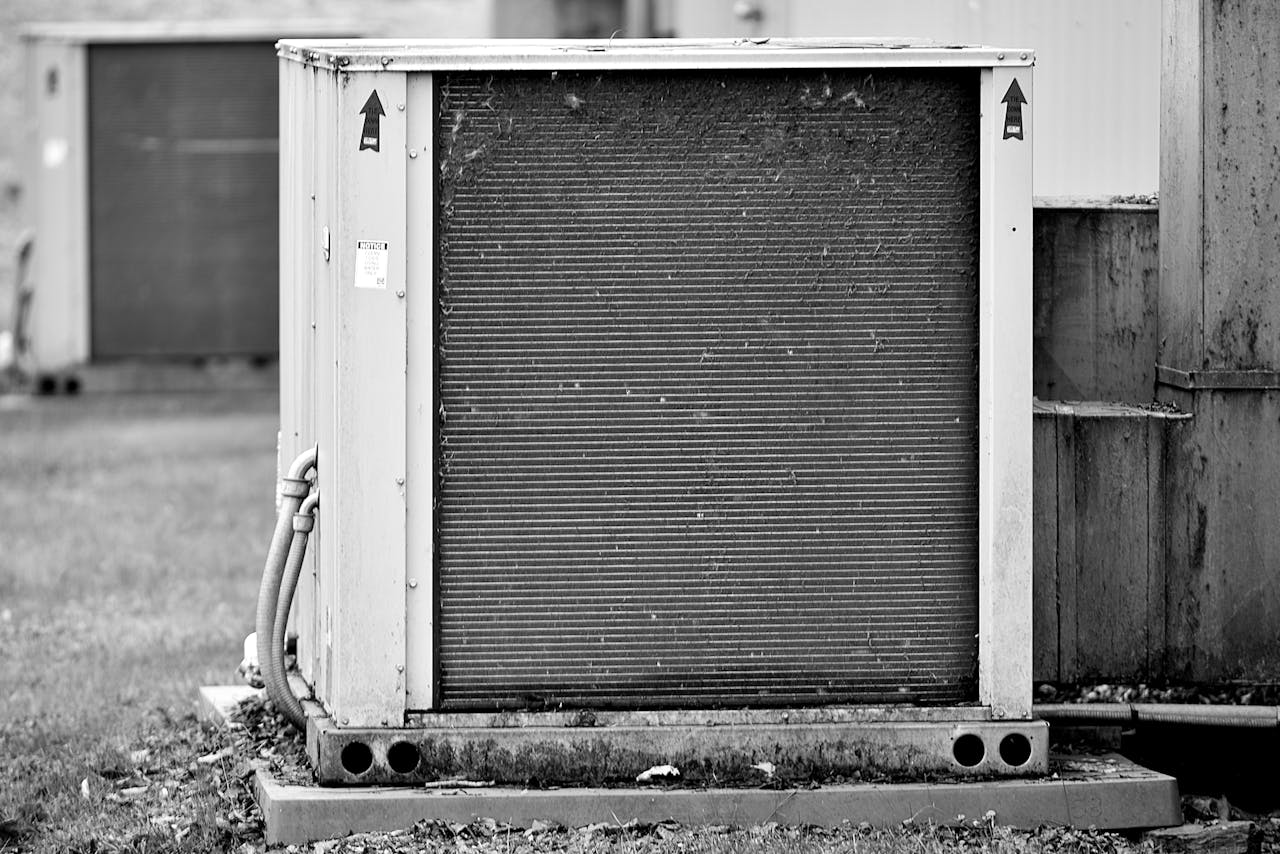
Good airflow around your outdoor unit is one of the easiest ways to protect the compressor. When the condenser cannot pull enough air across its coil, the refrigerant stays hotter, pressures climb, and the compressor has to work much harder. Over time, that extra strain shows up as noisy operation, longer cooling cycles, and more risk of major repairs.
Homeowner-safe airflow steps include:
- Keep 2 to 3 feet of clear space around the unit
- Trim bushes and plants that touch the sides
- Move bikes, storage bins, and trash cans away from the cabinet
- Aim for about 5 feet of open space above when you can
You can also rinse light dirt off the coil from the outside. Turn the system off at the thermostat first, then gently spray water from the top down and outside in. Use normal hose pressure, not a pressure washer. If you see the fins starting to bend, stop and let a pro handle it. Never remove panels or reach inside the unit on your own.
Some condenser work should always stay pro-only. That includes deep fin cleaning, straightening crushed fins, checking fan direction and speed, and measuring motor amps to be sure the fan is not working too hard. A technician can also spot heat traps, like a unit packed into a narrow side yard or corner, where hot air just loops back around the coil. Spring is the right time to fix those airflow issues so the first 90- to 100-degree days do not send head pressures and compressor temperatures through the roof.
Smart Coil Cleaning and Electrical Sizing Safeguards
Dirty coils and wrongly sized electrical parts are a bad combo for compressor health. When the outdoor or indoor coil is coated with grime, pet hair, or yard dust, the system cannot move heat as well. The compressor then has to run longer and at higher temperatures to do the same job. In a city with smog and dust like Los Angeles, that buildup can happen faster than many people expect.
A simple home routine makes a big difference:
- Change air filters every 1 to 3 months
- Check the outdoor coil for visible dirt or fuzz on the fins
- Keep pets from lying against the unit
- Aim sprinklers away so the coil is not always wet and muddy
Deep coil cleaning is best left to a technician. They can safely remove panels, shield the controls, apply coil-safe cleaners, rinse with the right pressure, and then verify that coil temperatures and refrigerant pressures look healthy. This kind of cleaning is often needed every 1 to 2 years in our climate, sometimes more often if your home is near a busy road, construction, or dusty landscaping.
On the electrical side, properly sized capacitors and contactors help your compressor and fan motors start smoothly and run cooler. A weak or wrong capacitor can cause humming motors, hard starts, and extra heat. A failing contactor can chatter, arc, or stick, which adds stress to the compressor and can lead to repeat compressor overheating repair calls. If you notice tripped breakers, buzzing at startup, or motors that struggle to get going, it is time for a professional diagnostic visit.
Refrigerant Charge and Duct Pressure That Protect Compressors
Refrigerant charge is another big factor in compressor temperature. When the charge is too low, the compressor can overheat as it tries to pull vapor at very low pressures. When it is overcharged, discharge temperatures and pressures climb, which also bakes the compressor over time. Either way, the result can be burnout, new leaks, or even permanent compressor damage.
Refrigerant work is strictly pro-only. It requires special gauges, training, and EPA rules must be followed. A technician checks pressures, superheat, and subcooling to see if the system is charged correctly. Homeowners should not try to add or remove refrigerant. What you can do is watch for warning signs, like:
- Ice forming on the outdoor lines or indoor coil
- Long run times with poor cooling
- Hissing or bubbling sounds near the lines
- A history of refrigerant leaks or compressor overheating repair
Ductwork and static pressure also play a key role. Crushed, undersized, dirty, or leaky ducts choke airflow, which raises temperatures and makes the system run longer. That extra runtime means your compressor spends more hours each day under stress.
Homeowner-safe duct habits include keeping all supply vents open, not blocking returns with furniture or curtains, and noting any rooms that stay hotter or cooler than the rest of the house. If you can safely see into your attic or under-floor space, you can also look for flex ducts that look disconnected or sharply kinked, and share those notes with your technician.
Pros handle the deeper pressure checks. They measure static pressure, check blower performance, evaluate duct sizing, and look for fixes like sealing leaks, adding returns, or recommending variable-speed equipment. All of this reduces the total workload and heat load on your compressor.
Smarter Thermostat Use and Stopping Short Cycling
Short cycling is another quiet compressor killer. This is when the AC turns on and off frequently instead of running steady for a reasonable time. Every start-up is hard on the compressor and electrical parts. When the system keeps starting and stopping, the compressor can never settle into a smooth, efficient rhythm, and heat builds up.
Short cycling can come from oversized systems, poorly placed thermostats that sit in the sun or near hot lamps, clogged filters, low airflow, or very aggressive thermostat use. Many people think dropping the thermostat way down will cool the house faster, but it only makes the system run in short, stressful bursts.
A few simple thermostat habits can help:
- Use smaller temperature changes, about 2 to 4 degrees at a time
- Avoid constantly bumping the setpoint up and down
- Let a programmable or smart thermostat pre-cool the home before peak heat
- Use the fan setting on Auto unless a pro advises otherwise
Spring is a good time to set your cooling schedules for the hot months ahead. Set a comfortable “home” temperature, a slightly higher “away” temperature for work hours, and gentle morning and evening adjustments. If you still notice rapid on/off cycling, a technician can check for issues in the control board, thermostat wiring, system sizing, or advanced settings like minimum compressor on and off times.
When you line up smart thermostat behavior with clear airflow, clean coils, correct charge, and healthy ducts, you cut both energy use and compressor heat load in a big way.
Turn Your Spring Checklist Into Summer-Ready Protection
Getting your AC ready in spring is about building a simple, repeatable habit. For LA homes, the big priorities are clear condenser airflow, a regular coil cleaning plan, correctly sized capacitors and contactors, verified refrigerant charge, healthy duct and static pressure, and smart thermostat use that avoids short cycling.
A quick way to remember what is safe to do yourself and what needs a pro:
- Homeowner-safe: clear space around the outdoor unit, light coil rinsing with the power off, frequent filter changes, keeping vents and returns unblocked, basic thermostat scheduling, and watching for warning signs like ice, odd noises, or frequent on-off cycling.
- Pro-only: panel removal and deep coil cleaning, electrical testing, capacitor and contactor replacement, refrigerant charge checks or adjustments, static pressure diagnostics, duct repairs or redesign, control wiring, and any compressor overheating repair or hard-start issues.
Spring is the sweet spot to handle all of this before long waits and emergency calls become common. By giving your system a little attention now, you help your compressor run cooler, smoother, and longer, so your home stays comfortable when the LA heat really settles in.
Protect Your AC System From Costly Compressor Damage
If your air conditioner is shutting off unexpectedly or struggling to keep up during hot weather, our technicians at Season Control Heating and Air Conditioning can help with expert compressor overheating repair. We will inspect your system, pinpoint the cause of the issue, and provide reliable solutions to keep your home comfortable and your equipment protected. To schedule service or ask a question, simply contact us today.