
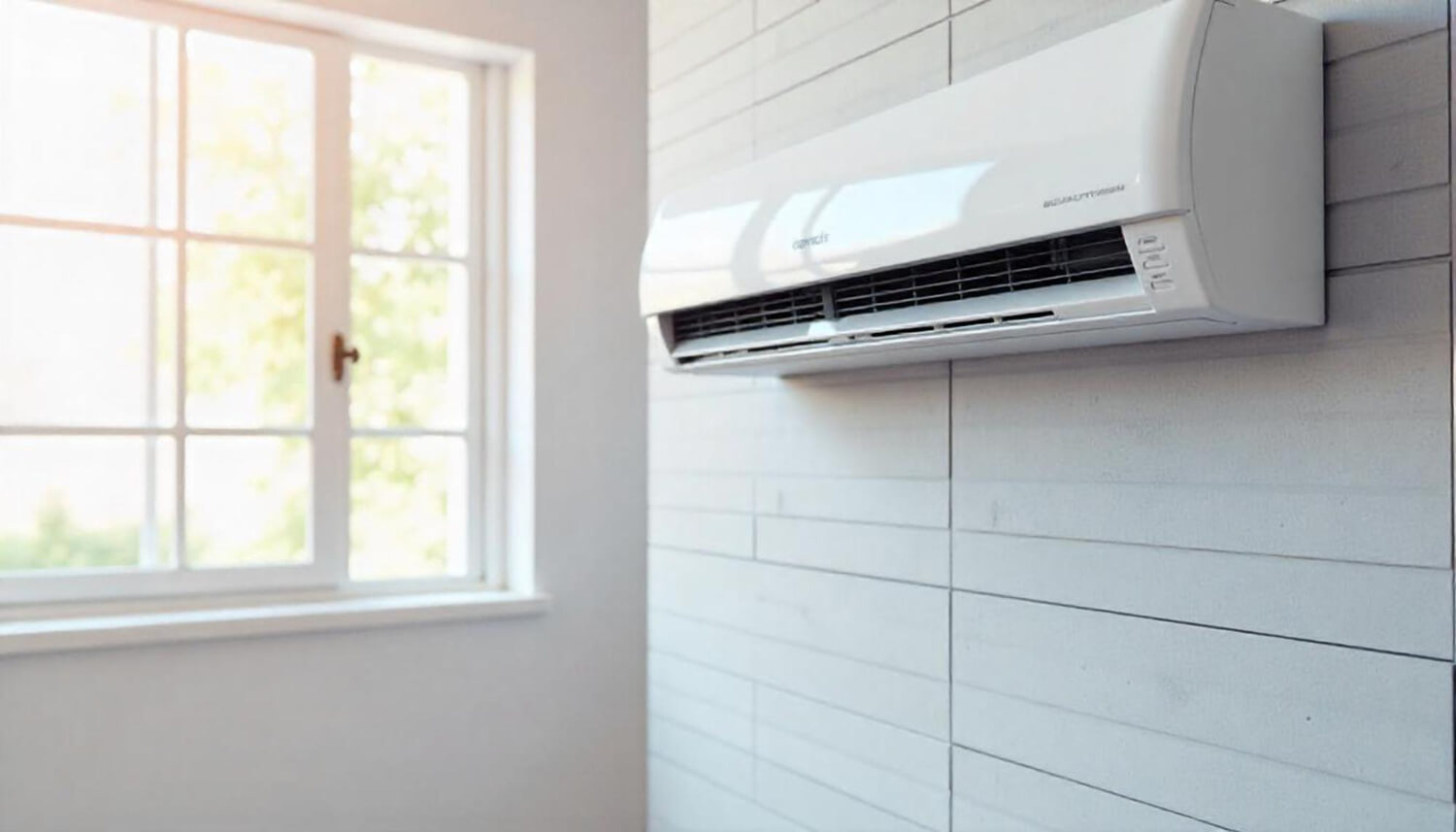
Why Home ACs Can Stop Working After Colder Nights
- January 11, 2026
When temperatures drop overnight in Los Angeles, many homeowners stop thinking about their air conditioning. It’s been off for a few days, maybe even a few weeks. Then, on a warmer afternoon, they switch it back on… and nothing happens. The AC blows warm air or doesn’t start at all. It surprises people, especially after the system ran fine through all those hot summer months.
But chilly nights can quietly wear on your unit in ways you might not notice right away. The shift from warm to cold and back puts stress on parts that were already working hard during the hotter days. That’s where early signs tied to home AC repair usually start showing up. Season Control Heating and Air Conditioning has been helping Los Angeles homeowners with AC repair for more than 20 years, with licensed, insured technicians available 24/7 for urgent cooling problems. If you’re wondering why your cooling system seems off after a string of cold evenings, the answer may go deeper than you think.
What Cold Nights Can Do to a Home AC System
Los Angeles doesn’t get snow, but we do get sharp dips in overnight temps during winter. Even without freezing weather, those cooler hours can still affect how your AC performs.
Here’s how colder nights can create problems for your system:
- The coils or refrigerant lines may freeze, especially with temperature drops followed by warmer days. When this happens, parts of the system struggle to transition back to normal after thawing.
- If the AC hasn’t been used in a few weeks, any small problems (like loose wires or low refrigerant) might go unnoticed. Starting the system up again in the daytime heat can push those issues into failure territory.
- Shutting the AC off completely during cooler nights might keep it from getting the airflow it still needs. Lack of movement in the lines and fans means moisture and grime can collect unnoticed.
All these things add up. One cold snap might not ruin your AC, but several nights in a row can cause the early signs of trouble, especially if the system wasn’t prepared for the season shift. If you’ve noticed your air conditioning acting up after colder nights, it could be because of these factors adding extra strain on your unit. Over time, these problems build up and often show up as nagging or sudden failures when you least expect them.
Why AC Units Shouldn’t Be Ignored in Winter
When the air turns cool for more than a day or two, most people stop thinking about their air conditioning. It sits quietly outside or up in the attic. Still, even if you’re not reaching for the thermostat, your AC likely needs attention more than you realize.
Here are a few reasons to keep your system in mind during winter:
- Skipping airflow checks during the cooler season means dust from fall can sit inside vents, around coils, or in the filters themselves. That clogs up the system before you even start it back up.
- Damp air from foggy mornings or coastal rain carries more dust and grime than hot air. Those particles settle inside your HVAC unit, especially if it’s not circulating air regularly.
- Most modern systems share airflow channels with heating. So if the heat’s running but the cooling system is idle, blockages can still form where they overlap, which may not be noticed until you switch to cooling again.
Staying aware of how your system sits, even when it’s not running, can help you avoid trouble spots down the road. Your air conditioner doesn’t turn invisible in winter. It just takes a back seat until outdoor temps push it forward again. One missed season can lead to bigger problems later on because small issues go undetected. That’s why keeping your system in mind during winter, instead of ignoring it, often helps prevent frustration and discomfort when you start using it again in the spring.
Common Signs Your AC Is Struggling After a Cold Snap
If you’re heading into a warmer stretch of January and something feels off with your airflow or temperature settings, your AC could be reacting to the season shift. Issues from earlier in the month may have shown up silently during a colder run and now appear once the system is under pressure again.
Watch for these warning signs that may point to brewing trouble:
- Air coming out warmer than it should be, or not moving strongly through the vents
- Strange humming, rattling, or buzzing noises when you flip the system back on
- The thermostat clicks but nothing seems to happen, or the unit cycles too fast
- Small puddles or condensation around the outdoor unit, especially if you haven’t used it for a while
Each of these signals could point to a different problem, but they all tend to trace back to the same pattern: time off during cold snaps followed by sudden restart in warmer weather. Being aware of how your AC behaves after cooler nights helps catch stress-related issues early. You might experience just one of these signs or maybe a couple at the same time, but either way, it’s worth paying attention. Ignoring them may let problems grow, so being mindful right after a cold snap can help you tackle small issues before they get worse.
Why Timing Matters for Home AC Repair in L.A.
Winter in Los Angeles feels light compared to most places, but that’s part of the challenge. We get short cool periods followed by warm breaks that tempt people to run the AC even when it’s just January. That switch between modes, especially in older equipment, increases the chance something doesn’t respond the way it should.
Getting ahead of those surprises is a smart move. Here’s why cold-season timing can make a difference:
- Early-year repairs are easier to schedule while spring is still a few weeks off
- Technicians can spot small wear from cold weather and stop it from becoming a bigger issue later
- Mild temps give you breathing room to plan service without the discomfort of a hot house
If your system hasn’t gotten a checkup since summer, the middle of January is a low-pressure time to figure things out. Catching early wear now is better than scrambling during the first real spring heatwave when demand for repairs spikes citywide. Season Control offers annual membership plans for Los Angeles homeowners that include regular maintenance visits, priority service, and repair discounts, which help keep AC systems steadier through winter temperature swings and into the next cooling season. Planning ahead also means your home will be ready for the next cycle of warm weather, instead of rushing for last-minute fixes as the temperature rises.
Keep Your System Ready Before Things Heat Up Again
Cooler nights in Los Angeles don’t spark the same urgency as a winter storm might elsewhere, but they still affect the machines keeping your home comfortable. Problems that start during cold or damp nights may stay hidden until spring returns. That’s one of the reasons AC issues often pop up during the first few real warm days.
We’ve learned it’s better not to wait for trouble to show up. Watching how your system responds during the mid-winter warmth and paying attention to small changes in airflow or sound can help you make smarter choices now. When heat kicks in again, you’ll be glad you didn’t wait.
Your AC might not be performing well after the last cold snap. Los Angeles winters may be brief yet still leave their mark on systems sitting idle between seasons. Airflow issues, odd sounds, or a unit that isn’t cooling like it used to are signs that a quick check is needed. Our techs know where to look and what to fix when it comes to home AC repair. Call Season Control Heating and Air Conditioning to get your system back on track before spring warms up.