
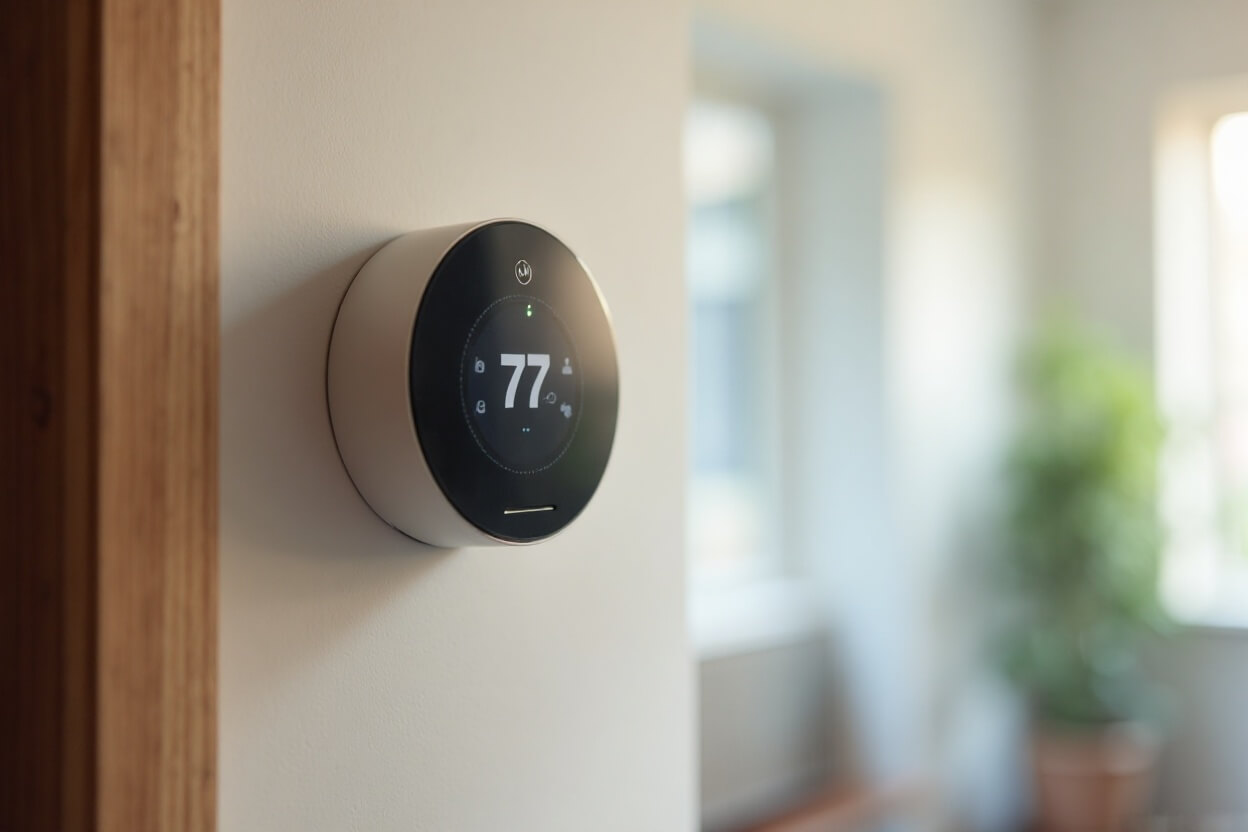
To extend the life of your furnace, schedule yearly furnace maintenance, replace the air filter often, and keep the area around the unit clean. Additionally, use a programmable or smart thermostat to avoid constant temperature changes and seal air leaks to prevent heat loss. Better still, keep vents open, clean your ducts, and fix leaks to improve airflow.
Your furnace keeps you warm, protects your family’s comfort, and supports your air conditioning system during temperature changes. Most furnaces last 15 to 20 years, but simple maintenance can help them run even longer.
If you want to avoid surprise breakdowns, expensive repairs, or early replacement, taking care of your heating system is key. Small actions like changing the air filter, using a programmable thermostat, and scheduling regular furnace maintenance can add years to your furnace’s lifespan.
In this guide, you’ll learn 14 proven ways to extend the life of your furnace and keep your home comfortable all year long. If you are in Los Angeles, contact Season Control Heating & Air Conditioning at (818) 293-4265 to book furnace maintenance.
How Long is the Furnace Lifespan on Average?
Most furnaces last 15 to 25 years when cared for properly. Regular furnace maintenance, clean air filters, and professional tune-ups from an HVAC technician can help you reach the higher end of that range.
Furnace Type | Average Lifespan (Years) | Maintenance Needed | Key Tip to Extend Life |
Gas Furnace | 15 – 20 | Annual inspection and filter replacement | Schedule yearly tune-ups and keep air filters clean |
Electric Furnace / Heat Pump | 20 – 25 | Clean coils and replace filters often | Use a programmable thermostat to reduce furnace run time |
High-Efficiency Gas Furnace | 20 – 30 | Professional inspection twice a year | Keep vents clear and replace filters regularly |
1. Schedule Regular Furnace Maintenance
Regular furnace maintenance keeps your system running safely and efficiently.
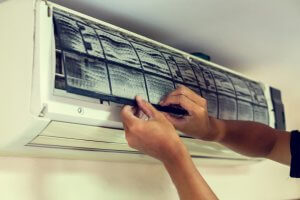
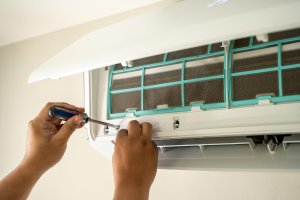
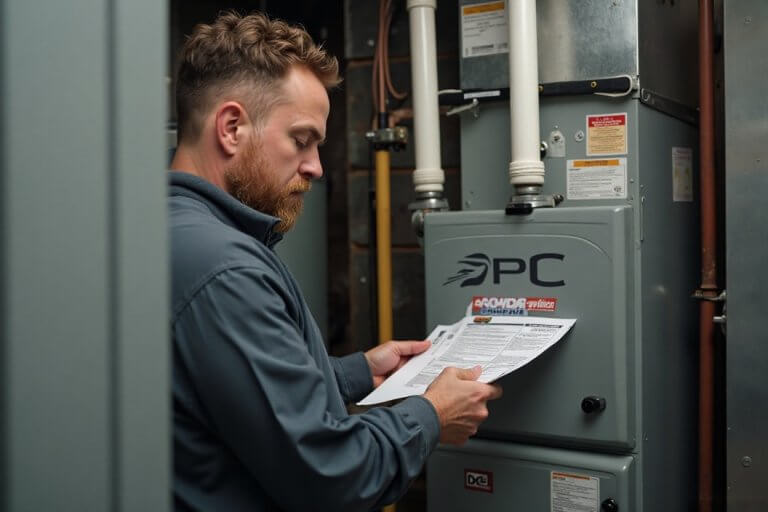
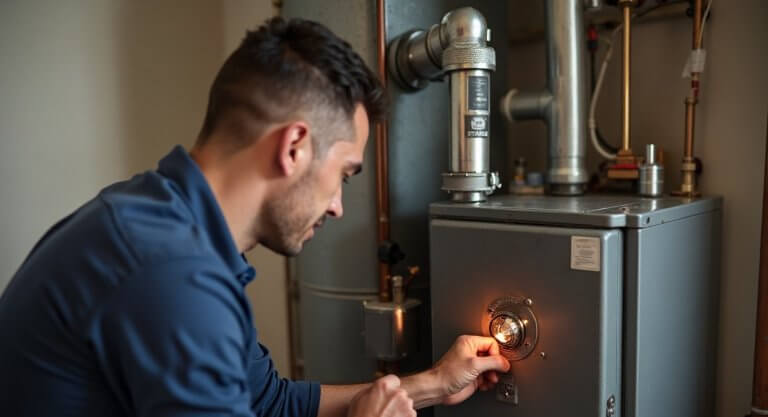
A yearly inspection by a licensed HVAC technician is one of the best ways to protect your heating system. During the visit, the technician checks the burners, blower, ignition system, and heat exchanger. They clean built-up dust, test for carbon monoxide, and make sure your unit operates safely. This tune-up reduces the risk of costly breakdowns and improves energy efficiency.
2. Replace the Air Filter Frequently
A clean air filter helps your furnace run more efficiently and prevents overheating.
When an air filter gets clogged, air can’t flow freely through your system. That makes the furnace work harder, which shortens its lifespan. Replace your furnace filter every 1 to 3 months, depending on your usage and home conditions. If you have pets or live in a dusty area, you may need to replace it more often. A clean filter also improves your home’s air quality.
3. Install a Programmable Thermostat
A programmable thermostat helps control heating without straining your furnace.
You can set it to lower the temperature when you’re asleep or away and warm up your home before you return. These steady temperature changes keep your furnace from cycling too often. That means fewer start-ups, less stress on the motor, and lower energy costs. It’s an easy upgrade that pays off quickly.
4. Upgrade to a Smart Thermostat
A smart thermostat automatically adjusts heating and extends the lifespan of the furnace.
Smart thermostats learn your habits and fine-tune heating for comfort and efficiency. Many models connect to your phone so that you can change settings from anywhere. Some even alert you when it’s time to replace your air filter or schedule furnace maintenance. This technology helps prevent unnecessary wear on your heating system and reduces wasted energy.
5. Keep Vents and Ducts Clean and Clear
Cleaning ducts and vents reduces strain on your furnace and improves airflow.
Over time, dust and debris collect in your ductwork. This buildup limits air movement, causing uneven heating and forcing your furnace to work harder. Schedule duct cleaning every few years to keep air moving freely. Also, check your vents for furniture, rugs, or curtains that might block airflow.
6. Keep the Area Around the Furnace Clear
Keeping the furnace area clear improves safety and airflow.
A furnace needs space to draw in air and release heat safely. Clutter, boxes, or laundry near the unit can block vents or become fire hazards. Keep at least three feet of open space around your furnace. This simple step helps it run more efficiently and safely.
7. Set the Temperature at a Steady Level
Running your furnace at a steady temperature prevents overuse.
Constantly changing your thermostat setting causes the system to cycle on and off more often. Frequent cycling increases wear on the blower and the heat exchanger. Find a comfortable temperature and leave it there during the day. Let your programmable thermostat handle small changes when needed.
8. Use Ceiling Fans to Circulate Warm Air
Reversing your ceiling fan helps your furnace heat your home more evenly.
Warm air rises to the ceiling, leaving lower areas cooler. In winter, set your ceiling fan to spin clockwise at a low speed. This pushes warm air down and keeps your rooms comfortable. It also helps your furnace run less often.
9. Seal Air Leaks Around Windows and Doors
Sealing drafts keeps warm air inside and reduces furnace workload.
Check for leaks around windows, doors, and attic hatches. You can use weatherstripping, caulk, or insulation tape to close gaps. When your home holds heat better, your furnace doesn’t have to work as hard. This saves energy and helps your heating system last longer.
10. Keep All Registers Fully Open for Proper Airflow
Closed vents increase pressure in your ducts and can damage your furnace.
Some homeowners close vents in unused rooms to save energy, but that actually harms the system. The extra pressure inside the ductwork forces air through smaller spaces, stressing the furnace motor. Keep all vents open to allow smooth airflow throughout your home.
11. Seal Leaky Ductwork to Reduce Energy Loss
Leaky ducts waste heat, making your furnace run more often.
Air leaks are common in older homes. When warm air escapes through cracks, your furnace runs longer to reach the right temperature. Have your ducts inspected by an HVAC technician. They can seal leaks using mastic sealant or foil tape, improving efficiency and comfort.
12. Replace Thermostat Batteries Yearly
Fresh thermostat batteries prevent short cycling and system errors.
If your thermostat uses batteries, change them once a year. Weak batteries can cause your heating system to turn on and off randomly. This short cycling adds stress to your furnace and wastes fuel. Replacing batteries before each heating season keeps your controls reliable.
13. Fix Small Problems Before They Become Big Ones
Addressing strange sounds or smells early prevents major damage.
If you hear banging, squealing, or smell gas or burning dust, stop using your furnace and call a professional right away. These could be signs of worn belts, dirty burners, or a cracked heat exchanger. Catching these issues early saves you money and keeps your home safe.
14. Sign Up for a Furnace Maintenance Plan
A maintenance plan keeps your furnace on schedule and reduces repair costs.
Our HVAC company offers a maintenance plan that includes two HVAC system tune-ups a year, filter changes, priority service, and a 10% discount. These plans help you keep up with routine maintenance and may come with discounts on repairs. Having your system checked twice a year is one of the easiest ways to extend furnace lifespan.
Schedule Your Furnace Service with Season Control
Your furnace works hard to keep your home warm. Let the experts at Season Control keep it running safely and efficiently all year.
Our licensed HVAC technicians handle everything from furnace maintenance and repairs to smart thermostat upgrades and indoor air conditioning tune-ups. We’ve served Los Angeles homeowners for over 20 years with honest pricing and same-day appointments.
Call (818) 293-4265 now or schedule your service online to keep your heating system in peak condition.
We’re available 24/7 and always ready to help you stay comfortable, no matter the season.
FAQs
How can I maximize the life of my furnace?
You can maximize your furnace’s life by changing filters, scheduling maintenance, sealing ducts, and using a smart thermostat. These steps reduce stress and prevent damage to your heating system.
How to extend the life of your heating system?
To extend the life of your heating system, perform routine maintenance, keep airflow clear, and avoid frequent thermostat changes. Consistent care leads to a longer furnace lifespan.
How long do furnaces last in California?
The life expectancy of furnaces is 15 to 20 years in California due to mild winters and less frequent use. Regular furnace maintenance helps you reach the upper end of that range.
Are gas furnaces more efficient than electric heating?
Gas furnaces typically heat homes faster and cost less to operate than electric systems, especially in colder climates.
Why does skipping routine maintenance shorten the life of your HVAC system?
Skipping routine maintenance allows dust, worn parts, and small inefficiencies to build up quietly. This forces your HVAC system to work harder, overheat, or cycle too often. Over time, this constant strain leads to early component failure and shortens the lifespan of the entire system.