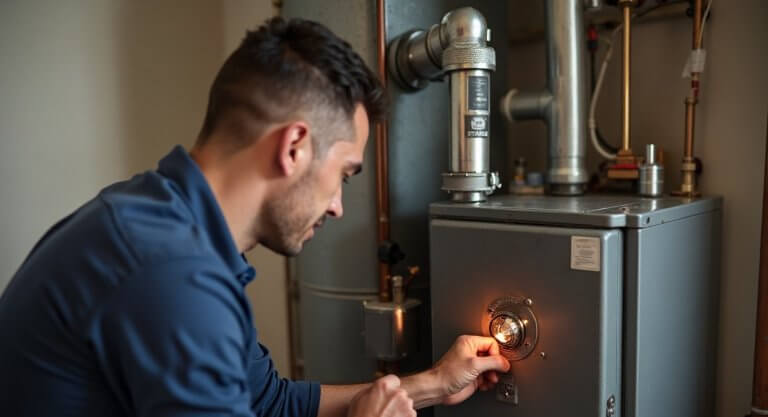

Annual furnace maintenance includes replacing the air filter, cleaning burners and blower parts, checking gas lines or wiring, inspecting the heat exchanger, tightening electrical connections, testing safety controls, clearing vents and flues, adjusting thermostat settings, and verifying airflow. A yearly tune-up in California costs US$100 to US$300, depending on whether you have a gas, oil, or electric furnace. Schedule maintenance if you notice uneven heat, weak airflow, rising bills, or strange noises.
According to the U.S. Department of Energy, heating makes up about 29 percent of a home’s energy use. That’s why annual furnace maintenance matters. This guide walks you through what to check each year, how to care for gas, oil, and electric furnaces, what you can do yourself, and what costs to expect in California.
For professional furnace maintenance, contact Season Control Heating & Air Conditioning at (818) 293-4265.
Why Furnace Maintenance Matters
Furnace maintenance matters because it keeps your heating system safe, efficient, and dependable year-round.
A well-maintained unit uses less fuel, reduces repair bills, and protects your family from hazards like carbon monoxide leaks. In California, where temperature swings and wildfire dust can strain HVAC systems, yearly service is essential.
Regular tune-ups help:
- Extend system life by preventing part wear.
- Keep the air clean by removing dust buildup.
- Lower monthly energy bills.
- Maintain steady heat output through every room.
- Meet California Energy Commission (CEC) efficiency standards for residential furnaces
When you skip yearly checks, performance drops, bills rise, and safety risks increase.
Step-by-Step Furnace Maintenance Checklist
To keep your furnace reliable each year, follow this annual furnace preventative maintenance checklist.
Below are the standard steps technicians and homeowners should complete annually:
- Replace the air filter every 1–3 months to improve airflow and indoor air quality.
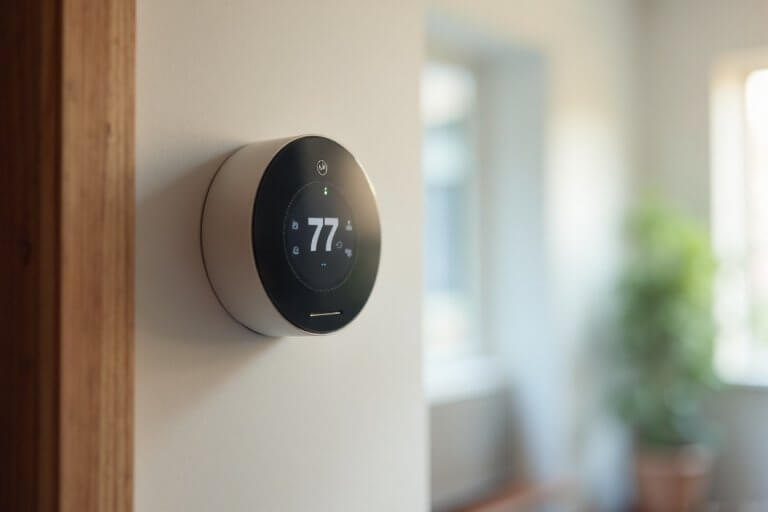
- Inspect thermostat calibration and replace batteries.
- Clean the blower assembly to remove dust and lint buildup.
- Lubricate moving parts like bearings and fan shafts to avoid friction.
- Tighten electrical connections to prevent shorts and voltage drops.
- Check belts for cracks or loose tension.
- Inspect the heat exchanger for rust or cracks that could leak gases.
- Test carbon monoxide detectors and replace batteries yearly.
- Clear the flue and vent pipes of any blockages or soot.
- Inspect gas pressure or electrical draw, depending on furnace type.
- Clean burners or heating elements to maintain consistent heat.
- Run a full system test to confirm safe operation and proper airflow.
Completing this annual furnace maintenance checklist before winter protects your investment and avoids costly emergency calls later.
Furnace Tune-Up Checklist: What Technicians Check
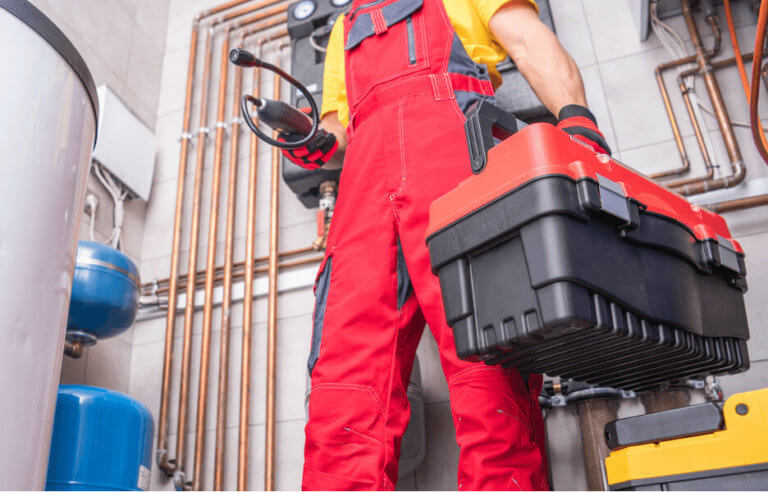
A professional furnace tune-up checklist includes deeper testing and calibration done once a year by certified technicians.
During an annual tune-up, the technician performs safety checks and adjustments that homeowners cannot complete safely on their own. Here’s what a professional service covers:
- Measure combustion efficiency and record temperature rise.
- Check gas pressure or electrical amperage against manufacturer specs.
- Inspect burners, nozzles, or heating coils for deposits.
- Test the ignition system or flame sensor for reliability.
- Examine the flue draft to ensure proper exhaust flow.
- Check and clean condensate lines to prevent water buildup.
- Verify operation of safety limit switches.
- Test the blower motor and capacitor for correct amperage draw.
- Inspect duct seals and airflow balance.
- Calibrate thermostat settings and verify response time.
- Record voltage readings on all electrical circuits.
- Document system condition and recommend repairs if needed.
Oil Furnace Maintenance Checklist
An annual oil furnace maintenance checklist focuses on cleaning fuel components and improving combustion efficiency. Oil furnaces require detailed annual care due to soot buildup and fuel residue.
Here’s what to check or schedule annually:
- Replace the oil filter and inspect the fuel pump.
- Clean the fuel nozzle and electrodes for a proper spray pattern.
- Vacuum soot from the combustion chamber and heat exchanger.
- Check the burner flame and adjust for a blue-white color.
- Test draft control and flue for proper ventilation.
- Replace the air filter to improve airflow.
- Clean blower motor and fan housing.
- Inspect the oil supply line for leaks or sludge.
- Examine the tank for corrosion or water contamination.
- Lubricate all moving parts and motor bearings.
- Check limit switches and controls for safe function.
- Verify system startup and shutdown cycles.
Oil furnaces are less common in California, but are still used in older homes or remote areas. Annual service keeps them efficient and clean.
Gas Furnace Maintenance Checklist
A gas furnace maintenance checklist helps ensure safe operation and consistent heat each year.
Gas models are the most common across California. They require detailed annual checks to prevent carbon monoxide leaks and maintain efficiency.
Follow these steps:
- Inspect gas lines and connections for leaks.
- Test gas pressure and adjust if needed.
- Clean and realign the burner assembly for an even flame.
- Inspect the flame sensor and ignition system.
- Examine the heat exchanger for corrosion or cracks.
- Check the flue venting and draft hood for obstructions.
- Clean the condensate drain and test the drainage.
- Inspect the blower motor and fan blades for dirt buildup.
- Tighten electrical wiring and test safety switches.
- Verify operation of pressure switch and limit controls.
- Measure carbon monoxide output for safety.
- Run a full heating cycle to confirm performance.
The gas furnace maintenance checklist above keeps your unit compliant and dependable.
Electric Furnace Maintenance Checklist
An annual electric furnace maintenance checklist ensures all heating elements and controls work safely.
Electric models are popular in smaller homes or condos across Southern California.
Here’s what to inspect every year:
- Turn off the power before opening the furnace panel.
- Inspect heating elements for pitting or damage.
- Tighten loose electrical connections.
- Check circuit breakers for proper amperage rating.
- Clean blower assembly and housing.
- Replace the air filter to maintain airflow.
- Test voltage and amperage draw on elements.
- Inspect relays, contactors, and sequencers.
- Check limit switches for overheating protection.
- Clean dust from control boards and sensors.
- Verify thermostat calibration and temperature rise.
- Test the full heating cycle for smooth startup and shutdown.
An electric furnace maintenance checklist helps prevent electrical shorts and uneven heating.
What Furnace Maintenance Tasks Can I Do Myself
You can safely handle basic cleaning and inspections, leaving technical tasks to a professional.
Here are annual maintenance tasks you can handle:
- Replace or clean the air filter every few months.
- Vacuum supply and return vents.
- Clear debris from around the furnace cabinet.
- Check thermostat settings and battery.
- Keep registers open for airflow.
- Make sure carbon monoxide detectors work.
- Watch for changes in noise, smell, or performance.
Never open gas lines or electrical panels. Always call a licensed HVAC technician for tune-ups or repairs.
Signs Your Furnace Needs Professional Maintenance Soon
You know your furnace needs maintenance when it starts showing early warning signs.
Look for these symptoms of wear:
- Uneven heating or cold rooms.
- Unusual banging or rattling noises.
- Short or frequent on-off cycles.
- Rising energy bills without more usage.
- Yellow pilot light instead of blue.
- Burning smell or musty odor when heating starts.
- Weak airflow from vents.
- Delayed ignition or clicking sounds.
- Dusty air and poor filtration.
- The system takes longer to heat the home.
Scheduling maintenance when these appear avoids mid-winter breakdowns and larger repair bills.
Cost of Furnace Maintenance in California
Annual furnace maintenance in California usually costs between US$100 and US$300, depending on system type and condition.
Average price ranges:
- Gas furnace: $100–$250
- Electric furnace: $90–$200
- Oil furnace: $150–$300
Extra services like duct cleaning, air filter upgrades, or thermostat replacement can raise the total. Regular care costs far less than emergency repairs or replacements, which can exceed US$5,000 for new systems.
Season Control offers maintenance plans starting at US$249 for a furnace tune-up twice a year. When you sign up for this plan, you also get priority service and a 10% discount on repairs.
Call Season Control for Expert Furnace Maintenance
For reliable furnace maintenance in Los Angeles, call Season Control HVAC today.
We have served local homeowners for over 20 years with certified, licensed, and insured technicians.
We handle every step of your annual service from inspection to cleanup using manufacturer-approved methods.
Call (818) 293-4265 or book your furnace service. Season Control is a Ruud Top 10 Dealer with an A+ BBB rating and over 250 five-star Google reviews.
FAQs
How much does a furnace maintenance check cost?
A furnace maintenance check in California averages $100–$300, depending on system type and access.
How frequently should a furnace be serviced?
Your furnace should be serviced once every year, ideally in the fall before the heating season begins. Annual maintenance allows a technician to clean components, check safety controls, and confirm that your furnace runs efficiently before colder weather.
What is included in a furnace check?
A furnace check covers all the key areas that affect safety, airflow, and efficiency. During an annual visit, a certified technician will:
- Inspect and clean internal parts such as the blower, burners, and fan housing.
- Test gas lines or electrical circuits for proper flow and safety.
- Examine the heat exchanger and flue for cracks or leaks.
- Check thermostat settings and confirm accurate temperature control.
- Replace the air filter if it’s dirty or worn.
- Measure system efficiency and carbon monoxide levels.
- Lubricate moving parts and tighten electrical connections.
- Run the furnace through a complete heating cycle to confirm smooth operation.
This check keeps your heating system safe, efficient, and ready for the winter season.