
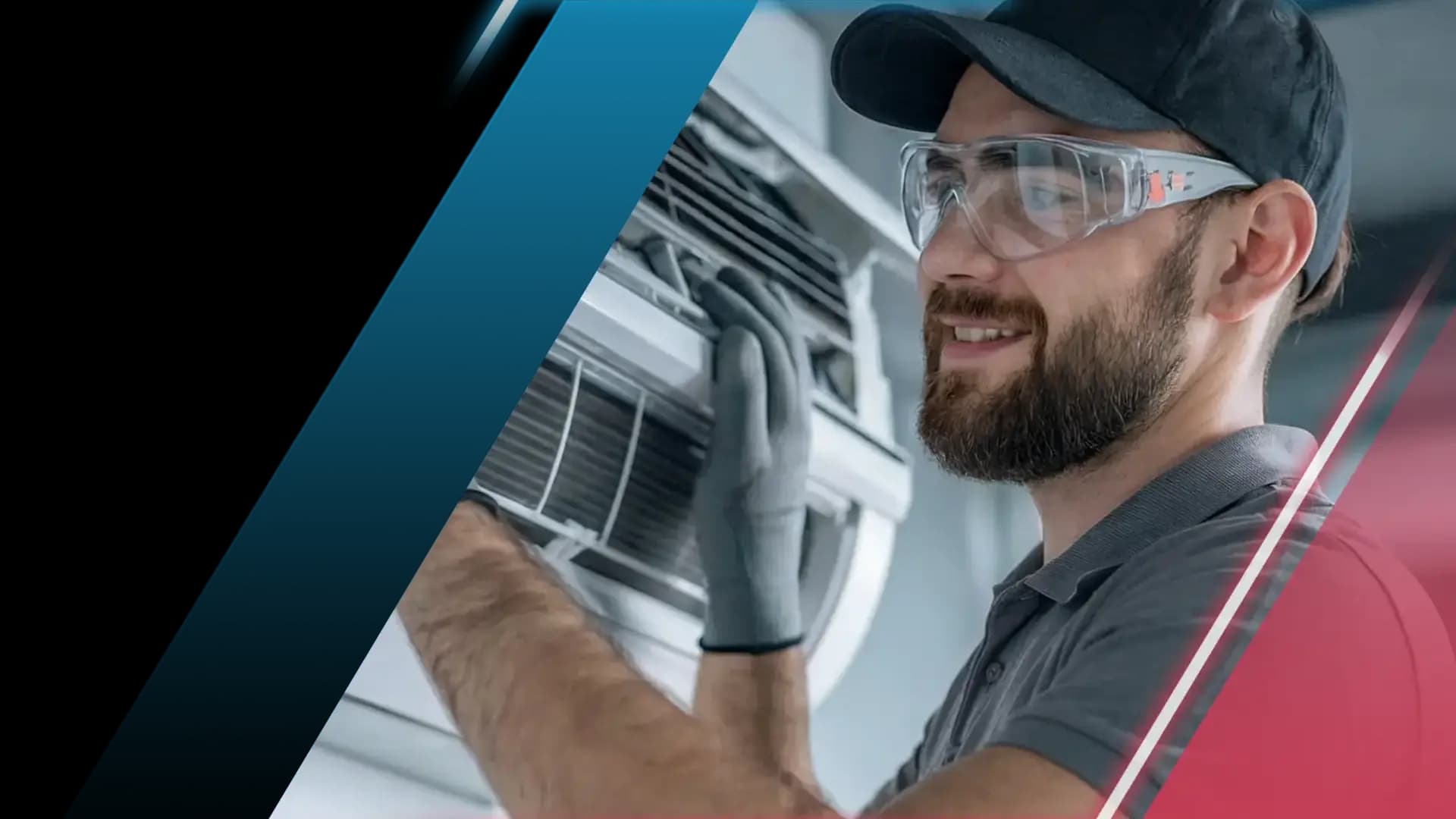
What Refrigerants Do in Your HVAC System
Refrigerants are chemical compounds that move heat from one place to another. In your air conditioner, refrigerant absorbs heat from indoor air and releases it outside. This cycle repeats thousands of times each day during a Los Angeles summer.
The refrigerant does not get used up under normal conditions. It circulates through a closed loop of coils and compressor components. When the system is properly charged, it moves the right amount of heat per cycle. When refrigerant levels drop due to leaks or improper servicing, the system works harder and delivers less cooling.
Several properties determine how well a refrigerant performs. Thermal conductivity affects how fast it transfers heat. Latent heat of vaporization measures how much heat it absorbs when changing from liquid to gas. Density influences flow rate and the total amount needed. These properties vary across refrigerant types and directly affect your energy bills and comfort.
Refrigerant Types Used in 2026
The refrigerant landscape has changed significantly. R-22, the HCFC refrigerant once standard in residential systems, completed its full phase-out years ago. Production and import of R-22 ended in 2020, and remaining supplies have become scarce and expensive. If your system still runs on R-22, replacement is the practical choice rather than paying a premium for recycled stock.
Hydrofluorocarbons like R-410A became the dominant replacement. However, R-410A carries a high global warming potential. The EPA's AIM Act has set a schedule to phase down HFC production by 85 percent by 2036. Newer equipment increasingly uses lower-GWP alternatives.
Hydrofluoroolefins like R-454B are now appearing in residential systems. These offer significantly lower global warming potential while maintaining good cooling performance. Natural refrigerants such as carbon dioxide and ammonia see use in commercial applications. When shopping for a new system in Southern California, ask about the refrigerant type. It affects long-term availability, service costs, and environmental impact.
Why Proper Refrigerant Management Matters
Correct refrigerant levels keep your system running at peak efficiency. An undercharged system struggles to cool your home during San Fernando Valley heat waves. An overcharged system can damage the compressor. Either condition raises energy consumption and shortens equipment life.
Refrigerant leaks also create environmental harm. Even modern refrigerants contribute to global warming when released into the atmosphere. California regulations require proper handling, recovery, and disposal of all refrigerant types. Violations carry significant fines.
Safety is another factor. Some refrigerants are mildly flammable. Others can displace oxygen in enclosed spaces. Trained technicians follow strict protocols when charging, recovering, or transferring refrigerants.
Proper management also protects your investment. HVAC systems maintained with correct refrigerant charge last longer and break down less often. In a region where you rely on air conditioning from May through October, avoiding preventable failures saves money and stress.
Common Challenges With Refrigerant in Southern California
Leaks remain the most frequent refrigerant problem. Vibration, corrosion, and age weaken joints and connections over time. Slow leaks are especially hard to detect because performance drops gradually. You might notice higher electric bills or slightly warmer air before realizing there is a refrigerant issue.
Modern leak detection methods include electronic sniffers, ultraviolet dye tests, and nitrogen pressure testing. A qualified technician can pinpoint the leak location and determine whether a repair or replacement makes more sense.
Regulatory complexity adds another layer. Federal, state, and local rules govern how refrigerants are purchased, used, recovered, and reported. California often moves ahead of federal timelines on environmental standards. Technicians must hold EPA Section 608 certification to handle refrigerants legally.
The transition away from high-GWP refrigerants also means parts and service practices keep changing. Older equipment may require adapters or different oils. Keeping up with these shifts is part of responsible HVAC ownership in 2026.
What Los Angeles Homeowners Should Do Now
Start by knowing what refrigerant your current system uses. Check the data plate on your outdoor unit or ask your technician during your next service visit. If your system uses R-22, plan for a replacement rather than spending on increasingly costly top-offs.
Schedule annual maintenance before the cooling season begins. A trained technician will check refrigerant charge, inspect for leaks, and verify that the system operates within manufacturer specifications. In the Greater Los Angeles area, March or April is an ideal time for this service.
When replacing equipment, ask about the refrigerant type in any new system. Look for models using lower-GWP options like R-454B. These systems align with current phase-down schedules and will have better refrigerant availability over their lifespan.
Season Control Heating and Air Conditioning serves the Greater Los Angeles area, San Fernando Valley, Ventura County, and Orange County. Call (818) 275-8487 to schedule a refrigerant inspection or discuss system replacement options.
Frequently asked questions
Can I still get R-22 refrigerant for my air conditioner?
R-22 production and import ended in 2020. Only recycled or reclaimed supplies exist, and they are expensive. If your system uses R-22, replacing the entire unit with a modern system is usually more cost-effective than continuing to pay for scarce refrigerant.
How do I know if my HVAC system has a refrigerant leak?
Common signs include reduced cooling performance, longer run times, ice forming on the evaporator coil, and rising electricity bills. A technician can confirm leaks using electronic detectors, UV dye, or pressure testing. Do not attempt to add refrigerant yourself.
What refrigerant is used in new air conditioners in 2026?
Many new residential systems use R-410A, though lower-GWP options like R-454B are becoming more common. The EPA's AIM Act is phasing down HFC production, so newer refrigerant types will become standard over the next several years.
How often should refrigerant levels be checked?
Refrigerant charge should be checked during annual maintenance. A properly sealed system should not lose refrigerant over time. If a technician needs to add refrigerant regularly, your system has a leak that needs repair.
Is it legal to release refrigerant into the air?
No. Federal law under the Clean Air Act prohibits venting refrigerants. California has additional regulations with strict penalties. Only EPA-certified technicians should handle refrigerant recovery, recycling, and disposal.
Need help with your HVAC system?
Season Control serves Greater Los Angeles, San Fernando Valley, Ventura County, and Orange County.
Schedule service