


Unusual smells coming from your AC aren’t just strange. They can be a clear sign that something inside the system isn’t working the way it should. The odor might be mild, like damp towels, or stronger, like burnt wires or rotten eggs. Either way, it’s worth paying attention.
In Los Angeles, AC units can get steady use even through the cooler months. That makes it easy for problems to settle in unnoticed until the smells become hard to ignore. Addressing those odors early helps keep your home more comfortable now, and it helps avoid bigger issues when things heat up again in the spring. Let’s take a steady look at what makes ACs smell bad, and how fast, professional air conditioner repair can clear those problems up. We have spent more than 20 years helping Los Angeles homeowners with AC repair and maintenance, with 24/7 HVAC service when cooling issues cannot wait.
What That Smell Might Be Trying to Tell You
When something smells off inside your AC, it’s often a warning. The type of smell gives you a clue about what’s starting to go wrong. Here’s a quick guide to common AC odors and what they might mean:
- Musty or moldy smells can point to trapped moisture inside the AC. Water buildup often leads to mold or mildew, especially in parts like the coils or drip pan.
- A rotten egg or sulfur smell could mean trouble, either from a small critter stuck in the ducts or, in rare cases, a gas leak. Never ignore this one.
- Burning or smoky odors often trace back to an electrical issue inside the unit. Worn wiring, overheating parts, or failing motors can all give off this type of smell.
Smells that last more than a day aren’t just going to go away on their own. Even if the AC still works, these odors are worth attention before the system gets worse or unsafe.
Sometimes, you might notice other odd smells as well. For example, a sweet or chemical smell might hint at leaking refrigerant, while a dirty-sock odor can indicate bacteria or mildew hiding deep in the system. If you smell something strange coming from your vents, the safest step is to avoid running the AC and contact a pro for help. Strange smells can make the whole house feel uncomfortable, and sometimes they might even affect the air quality in ways you can’t see.
Why AC Systems Start to Smell Over Time
Most AC odors don’t show up overnight. They tend to build up gradually as dust, moisture, and airflow issues stick around. Winter in Los Angeles may not be freezing, but it’s still damp at times, especially during the cooler stretches in January.
Some of the most common reasons AC smells develop include:
- Dirty or clogged air filters that hold onto dust and trap moisture
- Mold growth inside hidden parts of the unit, like evaporator coils or drain pans, where water lingers and airflow doesn’t reach
- Blocked vents or malfunctions that slow the air down, letting moisture settle longer than it should
Even if you can’t see these issues, your nose might be the first to tell you something needs a closer look. Left alone, these problems usually get worse, not better.
Humidity in Los Angeles during winter means the inside of your AC can sometimes stay damp. This extra moisture is a perfect place for mold, mildew, and bacteria to grow. Homes near the coast or those that keep windows open a lot might be exposed to more dust and outside debris, which can gather inside the system. Over time, these small issues collect and make the perfect environment for bad smells. If you have pets or anyone with allergies in your home, keeping your AC in good shape is even more important to keep the air fresh and comfortable.
Why These Smells Deserve Fast Professional Attention
People often try to ignore smells in their HVAC system, thinking it’s just dust or that it’ll pass. But ACs aren’t supposed to smell at all. Once odor sets in, it tends to mean something’s off inside the unit or ducts, and fast action can keep it from getting worse.
Here’s what can happen when AC smells get ignored too long:
- Mold spores can move through the air ducts and spread across rooms
- Damaged electrical parts can become safety hazards as they continue to degrade
- Moisture buildup can lead to rust, clogged lines, and bigger repair needs
Our licensed, bonded, and insured technicians are ready to respond with same day AC repair across the Los Angeles area, so you can deal with odor problems before they grow into larger system failures. Dealing with these problems in January makes good sense. It’s not yet cooling season, which gives time to fix small things now and avoid bigger breakdowns later on when spring temperatures rise.
Ignoring smells in your AC can sometimes make minor problems much harder to fix later. When mold or bacteria spread through your ducts, every time you run the system, that smell gets worse and more difficult to remove. Plus, if a mechanical issue like worn wires or a broken motor is the cause of the smell, you could be risking more damage the longer you wait. Taking care of the problem now means your AC will be safer and less likely to break down when you really need it in the next hot stretch.
How Technicians Track Down and Treat AC Odors
Getting rid of AC odors means more than using an air freshener or replacing a filter. A real fix starts with finding where the smell is coming from, then treating it at the source.
Here’s how we generally approach the problem:
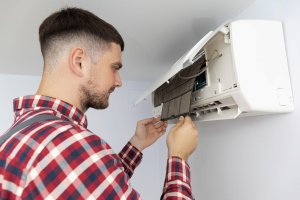
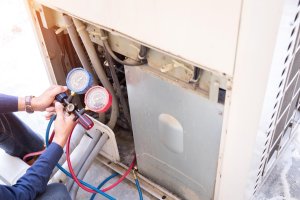
- Check all components of the system, including the coils, blower, drain pan, and ductwork, to spot any moisture, blockages, or visible mold
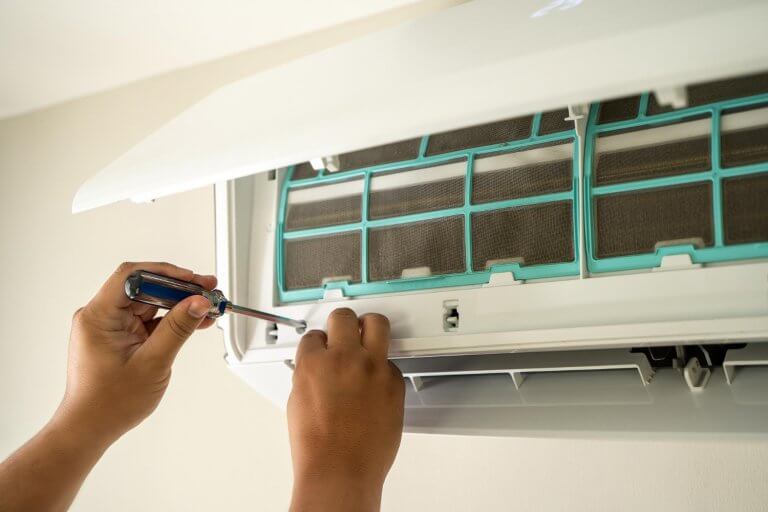
- Clean out the parts that hold onto dirt and retain water, like coils or filtered screens, and unclog any blocked drain lines
- Sanitize areas that show signs of mold or bacteria and replace worn-out parts if they’re damaged beyond repair
- If the airflow system is causing moisture to linger, adjustments may be needed to improve how air moves across the system
If the odors trace back to a failed part or mechanical issue, full air conditioner repair might be required to keep the system running safely and smoothly. We offer annual membership plans for Los Angeles homeowners that include regular system checkups, priority service, and discounts on repairs, which helps keep AC components cleaner and lowers the chance of odors returning.
Sometimes, odor problems require a thorough cleaning of the ductwork. Our technicians might use special equipment to reach every part of the system, scrubbing away sources of bacteria or mold that just replacing a filter won’t solve. In some cases, new parts are needed, especially if moisture has caused certain components to rust or break. Each system is a little different, so a professional inspection is the best way to know exactly what’s causing the trouble and how to fix it without missing hidden spots that could bring the smell back later.
Clear the Air and Stay Comfortable
It’s easy to dismiss strange AC smells, especially during winter when the system isn’t running as often. But in places like Los Angeles, where AC units rarely get a long seasonal break, these warning signs deserve a little more attention.
Whether it’s mold, blocked airflow, or worn electrical components, fixing these issues early keeps your indoor air safer and your HVAC system working better. Catching odor problems now makes for a smoother transition into spring, with a cleaner, fresher home all season long.
AC odor isn’t just about comfort. It’s about making sure the air your family breathes is as clean as possible, no matter the season. A little time spent clearing up strange AC smells now can save you from future headaches, unexpected breakdowns, and hassle when the temperature starts to rise. It also means you’ll head into spring with peace of mind, knowing your AC is ready for anything the weather brings.
Strange smells from your AC mean it’s best not to wait because they often signal deeper issues that can affect year-round cooling in Los Angeles. We are ready to take a closer look and fix the problem before busy season hits. For reliable help, schedule your air conditioner repair with Season Control Heating and Air Conditioning today.